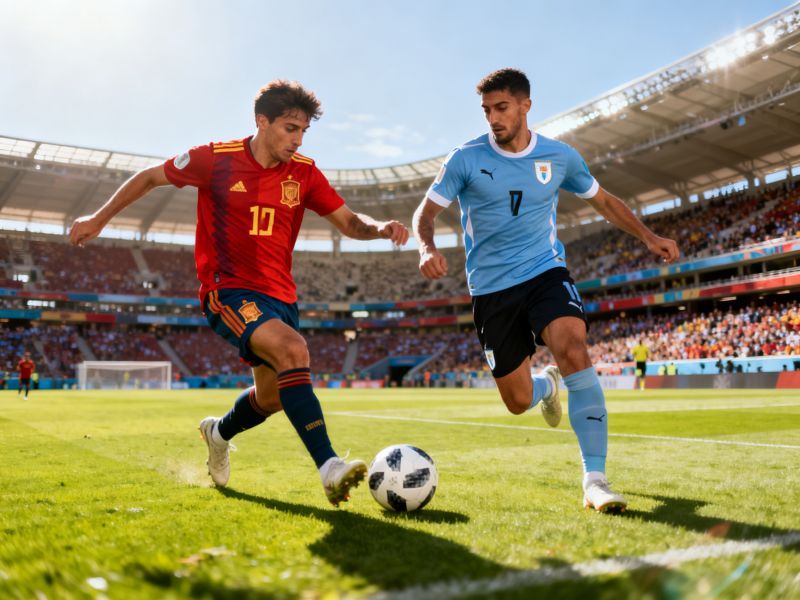
he most effective striker coach training doesn't start with shooting drills. It starts with a conversation. I watched a League One forward spend forty minutes last season working on nothing but his first touch under pressure—no goals, no keeper, just a coach firing passes at awkward angles and demanding a specific body orientation before the ball arrived. By the end of the session, his success rate in a small-sided game had jumped from roughly 60% to 85%. That's not magic. That's targeted striker coach training that addresses the root cause of wasted chances rather than the symptom.Most strikers arrive at coaching sessions believing their problem is finishing. Usually, it's not. A striker who snatches at shots inside the box often has a poor pre-shot scan—he doesn't know where the keeper is until the ball is already at his feet. Elite striker coach training isolates that scanning habit. I've seen coaches use numbered cones behind the goal and ask the striker to call out the numbers mid-run. It looks chaotic. It works. The striker learns to gather information before the ball arrives, and suddenly his 'finishing problem' disappears. That kind of specificity separates real striker coach training from generic finishing practice.Volume matters, but only when it's honest volume. A striker who takes 200 shots against an empty net is training his muscle memory to beat nobody. I prefer sessions where the striker coach training includes a live defender, a time constraint, or a consequence for missing—sprint back to the halfway line, do ten push-ups. Slightly punitive?Maybe. But I've seen more improvement in six weeks of consequence-based striker coach training than in six months of relaxed shooting drills. The striker's brain starts treating each rep as a real chance。and the technique holds up under pressure.Movement off the ball is where most striker coach training programs fall short. Coaches love to work on the finish。but the best strikers score because of what they do three seconds before the pass. I worked with a youth coach who spent entire sessions on nothing but double movements—checking away, then spinning into space. No shooting at all for the first hour. The strikers complained. Two months later, they were arriving in the box unmarked, and the finishing drills they'd done earlier finally had a purpose. Striker coach training that ignores movement patterns is building a roof without walls.One more observation. The best striker coach training I've seen includes video review immediately after the session, not the next day. Players forget the sensation of a missed chance within hours. A coach who can pause the footage and ask 'what did you see here?
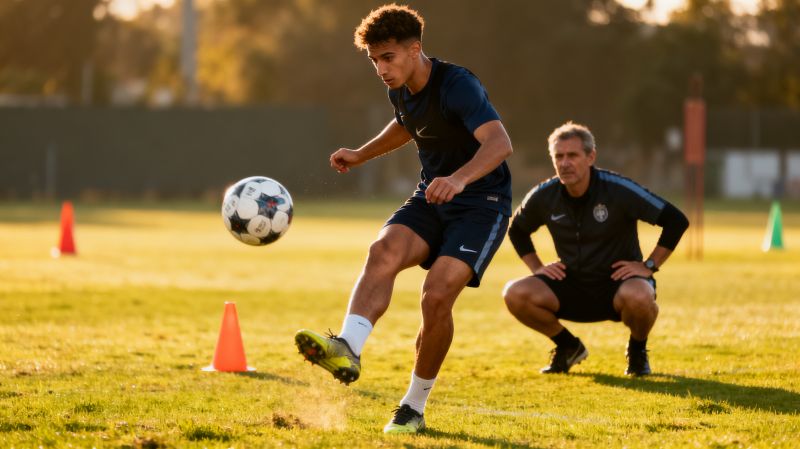
' while the striker still feels the frustration gets a different answer than a player reviewing clips on a laptop a week later. That immediacy turns striker coach training from physical repetition into genuine learning. It's uncomfortable. It's also the fastest route to a striker who scores when it matters.